

Blog list
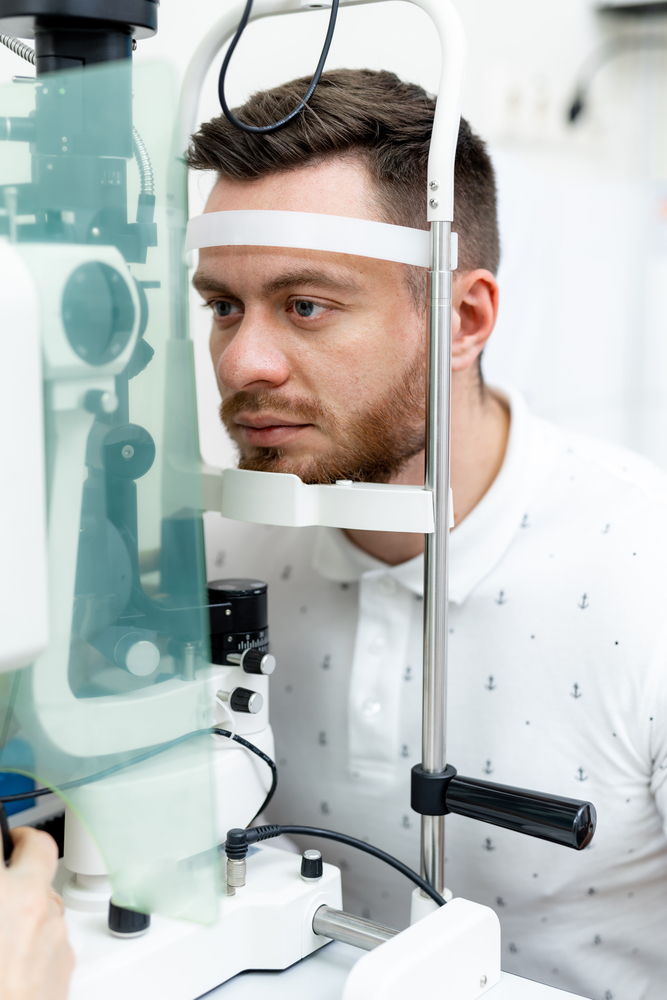
The things you see are the results of the images your two eyes send to the brain. The brain usually receives images from both eyes simultaneously, hence the name binocular vision. Bi means two, and ocular means eyes. The images that each eye sends to the brain are slightly different. But with good binocular vision, the brain can process these differences and harmonize eye movements.

Dizziness is a complex term that describes various sensations that sometimes happen simultaneously. These sensations create the sense that your surroundings are moving or spinning, a feeling called vertigo.

Dizziness is quite a diverse term because it describes a variety of sensations that you can feel. These include feeling weak, woozy, faint, or unsteady. Many people will say they have vertigo but this is only if you feel like the world is spinning (not if you, yourself feel off balance).

Distress, hyperactivity, and being fidgety can be an easy ADHD diagnosis for many people. However, the symptoms can sometimes be caused by binocular vision dysfunction. Read on to learn why BVD is often mistaken for ADHD.

Having clear vision is important, but there’s a lot more to vision than seeing “20/20”. It’s not uncommon to hear someone talk about their child having 20/20 vision but still having eye problems. These eye problems may indirectly present as academic and social problems.

Binocular vision dysfunction is an eye condition that occurs when both eyes do not align with each other. The brain may try to correct the misalignment, but it results in pain, anxiety, and discomfort due to the considerable effort it takes.
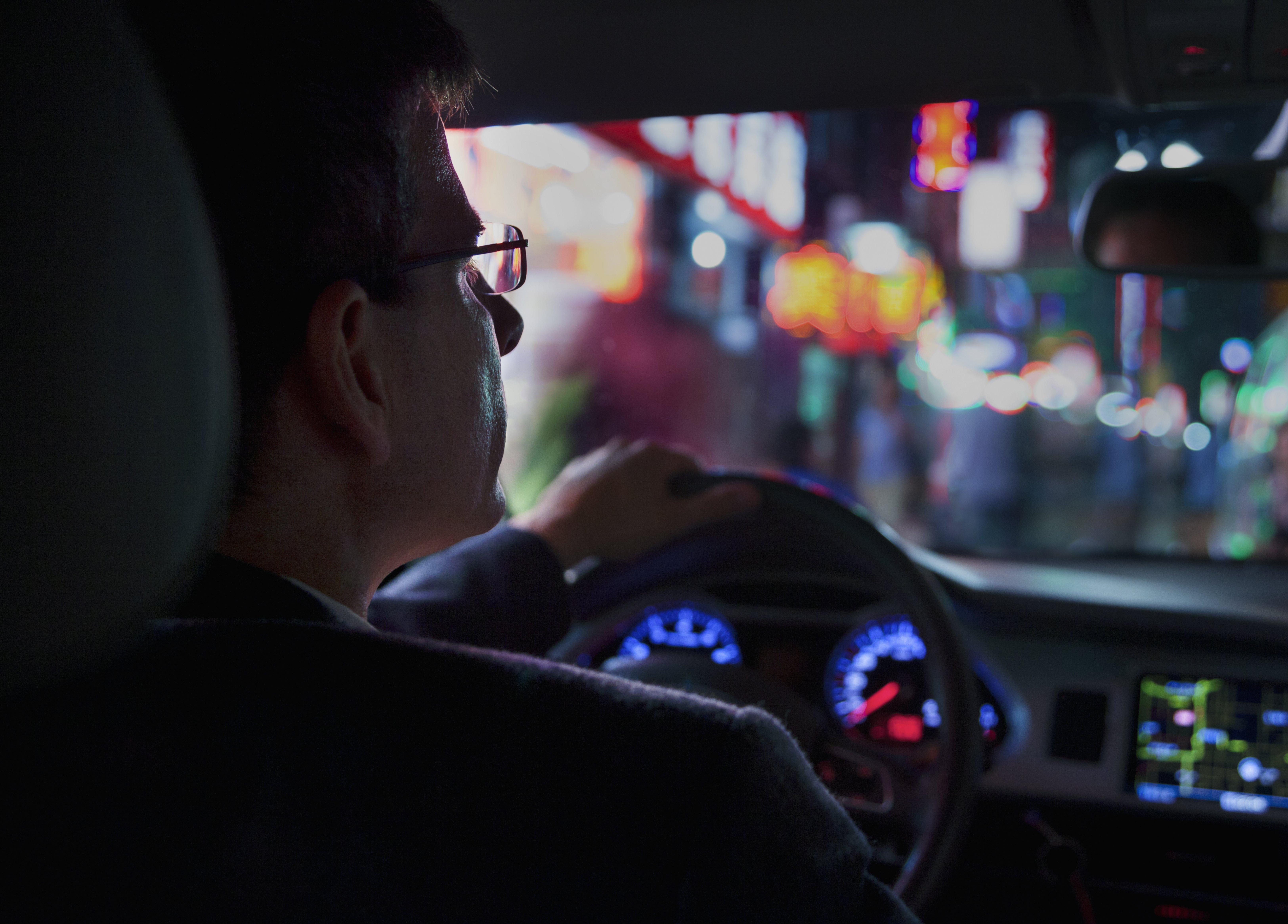
In an ideal world, both of our eyes would work in perfect synchronicity to create a single, clear image that we can see with absolute clarity. However, the reality is that many people suffer from the slightest misalignment of the eyes. This misalignment isn’t obvious enough to be able to tell just by looking at the position of your eyes. Nevertheless, when you look at an object, your eyes will be unable to pull the two separate images (one from each eye) into one single, clear image.To try and compensate for this misalignment, the brain tries to force the muscles around the eyes to align them on a single plane. This puts them under a great deal of strain. Unfortunately, the successful realignment is only momentary before the eyes fall back into misalignment. This kick-starts the whole cycle over again, and the constant stress and strain placed on the eyes and the muscles around them begin to cause symptoms that we associate with binocular vision dysfunction. Binocular vision dysfunction (BVD) can affect any area of our life where we use our eyes and vision, including driving.
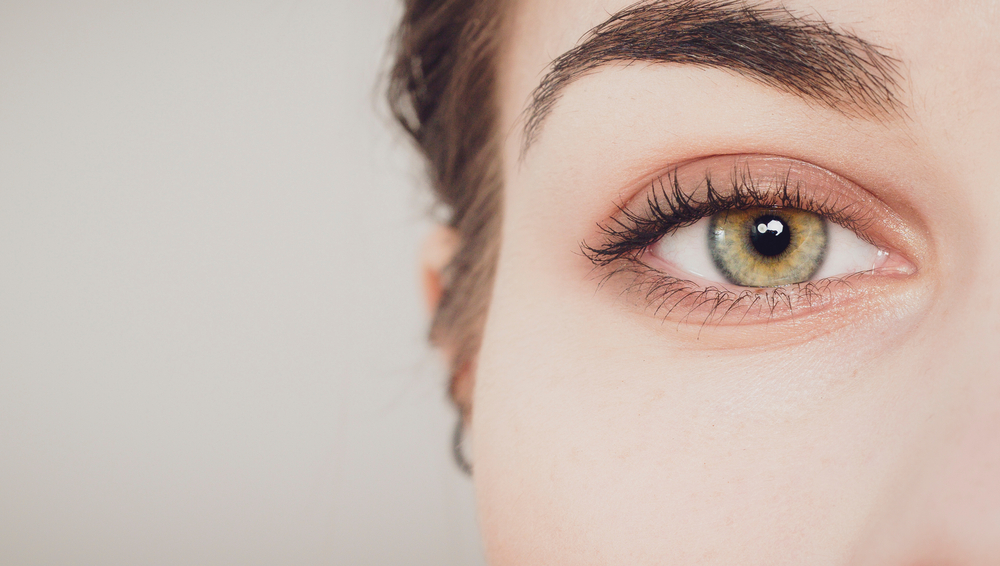
Binocular Vision Dysfunction, or BVD for short, is a common eye condition that involves a misalignment in the line of sight from one eye to the other. It’s generally not enough for your eyes to look unusual. In fact, most people don’t even realize that they have the condition until they research the symptoms that it causes.

Binocular vision dysfunction, often referred to as BVD, is a surprisingly common eye condition that is caused by the eyes being misaligned with one another. This misalignment is usually subtle enough that you can't tell simply by looking at someone, but significant enough to cause a variety of issues for the sufferer.

Anxiety can cause worry, panic, and fear that can cripple your life and prevent you from going about your everyday activities. Many people don't realize that this anxiety can stem from your surroundings or visual misalignment.
All EyeCare Services
Learn MoreKeep In Touch
Contact Us